
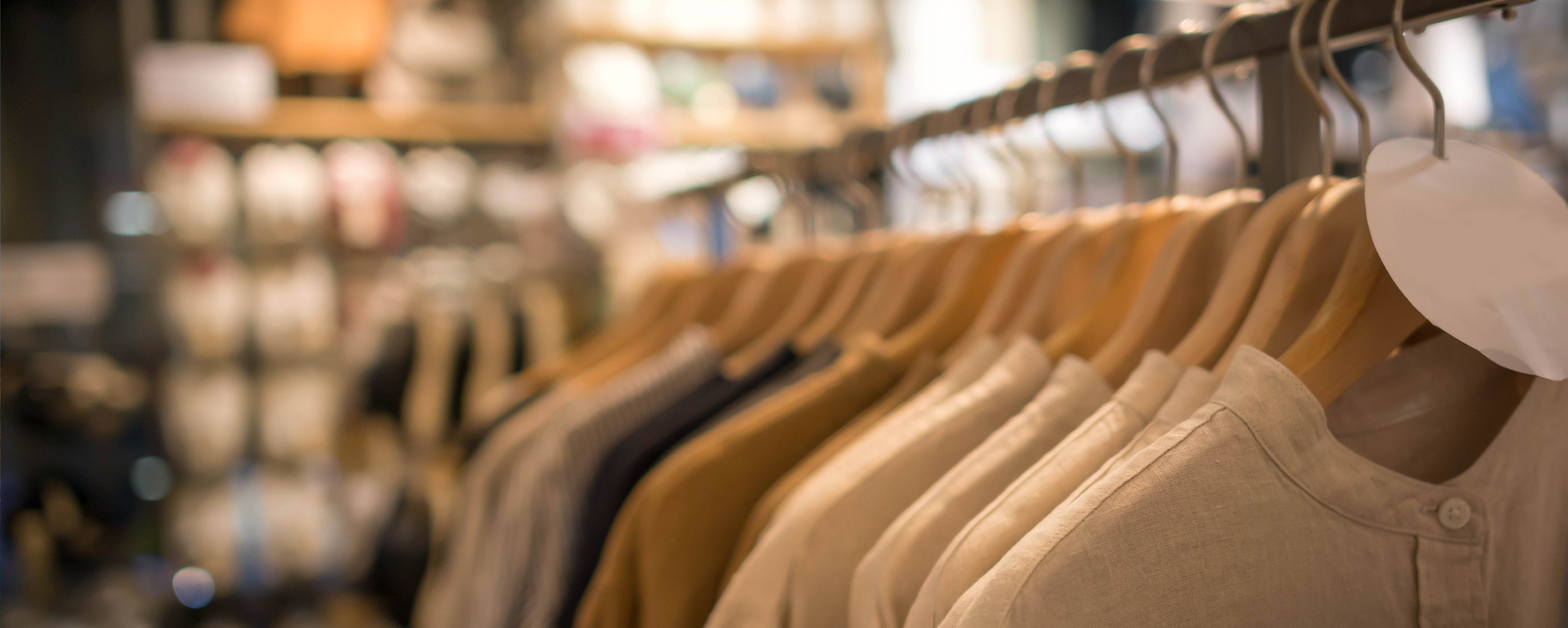
Whether you are launching a new collection, opening a flagship store or expanding your online presence, there is a whole ecosystem working behind the scenes to bring your latest products to market. This behind this hidden architecture is the Fashion Supply Chain, which encompasses the complex journey of items and garments from idea and design to distribution and final purchases.
A smart supply chain boosts efficiency, cuts costs, streamlines processes, speeds up time-to-market, and keeps your brand ahead of the latest trends and market demands.
Fashion Supply Chain
A supply chain is a network of partners (including companies, and service providers) working together from design and sourcing to production, through logistics and distribution, up to after-sale stages of a product life cycle.
In Fashion , this journey from an idea to final consumer is particularly intricate, involving multiple stakeholders at every stage and on many processes to make sure that products reach the market exactly when and how intended.
What does the Fashion supply chain handle?
While brands and product types may use different approaches the fashion supply chain is always the result of a variable number of interconnected stages:
Conceptualization of the product
Fashion vision takes shape and therefore product specifications are defined. This will guide and provide a clear roadmap for everything that follows.
Sourcing
Raw or semi-finished components are identified and sourced according to production needs. Today, sustainable and ethical procurement is increasing in importance, as a standard requirement for the industry.
Manufacturing
The industrial or artisanal process transforms materials into finished garments that match the design, vision and production specifications.
Logistics and Freight Forwarding
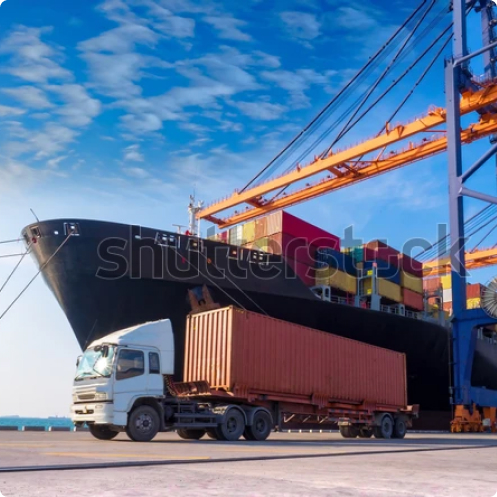
Finished goods are shipped from the manufacturing hubs to warehouses, distribution centers or directly to stores.
Warehousing and Distribution
Deeply interconnected to the previous phase, pick & pack, storage, inventory management, quality control and order fulfillments ensure that products reach store shelves or e-commerce customers on time.
Retail, Wholesale, B2B and B2C
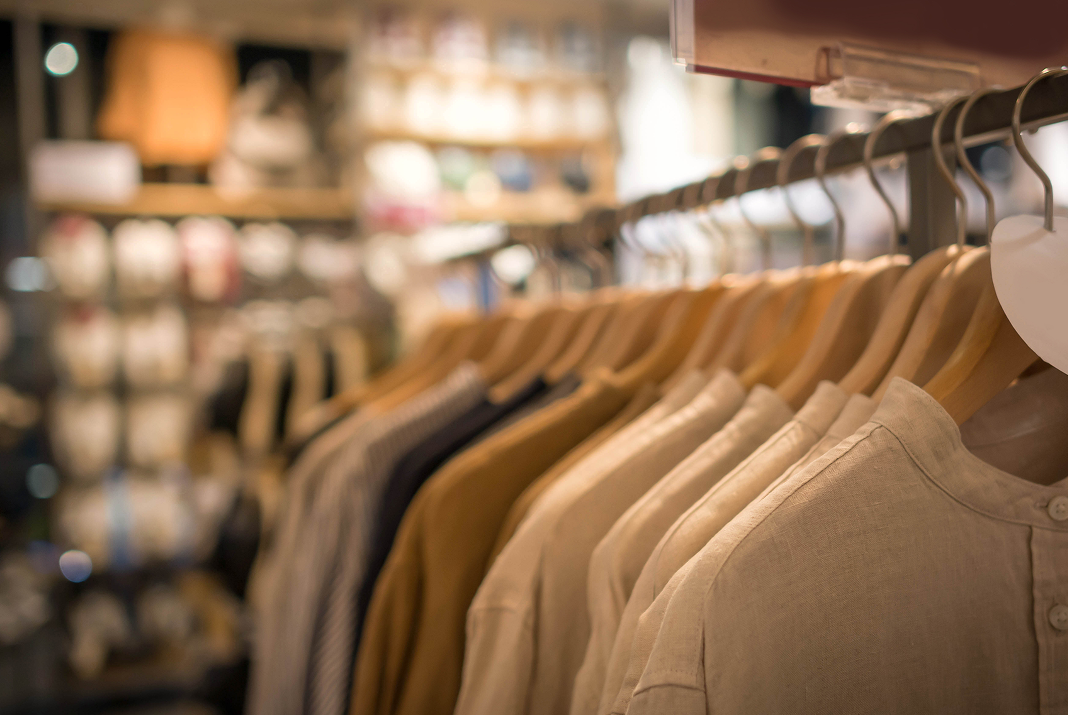
Finally, products reach the end consumers – whether through brick-and-mortar stores or online e-commerce platforms – therefore completing the supply chain.
A Focus on logistics and freight forwarding in Fashion industry
Logistics and freight forwarding in the fashion industry are complex activities that demand specific solutions that account for product protection and speed. This is to ensure that garments move efficiently and in perfect condition from factories to distribution centers, warehouses and retail stores.
Freight forwarders also offer specialized services, tailored to this industry’s unique needs.
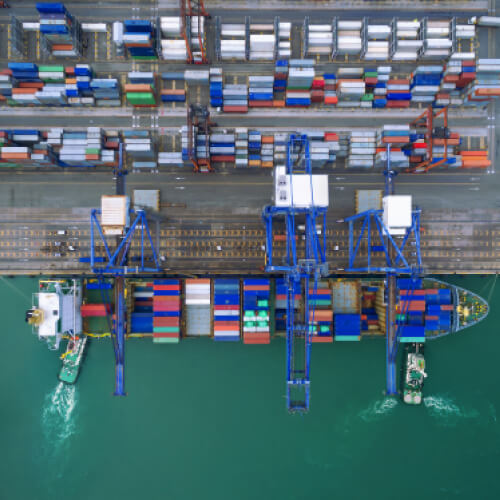
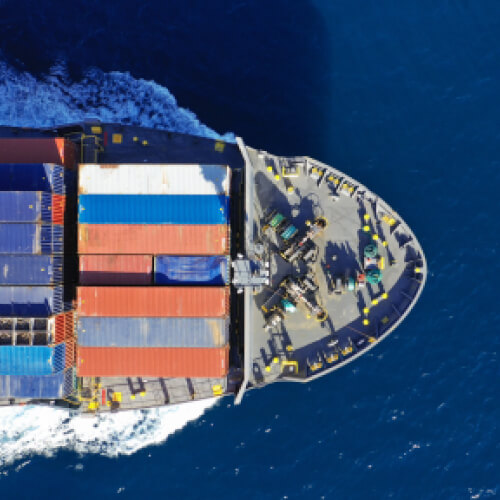
Fashion items can be shipped worldwide using different methods, with express Air Freight often preferred for seasonal shipments and launching of collections. Sea Freight is a more cost-effective option for bulk garments, although it does not offer the same level of flexibility and comes with longer transit times.
Fashion companies frequently rely on Garments On Hanger (GOH) systems, which allow clothing items to be shipped hung on racks to maintain their high-quality-standards and minimize wrinkling of fabric. GOH may use either a string or a bar solution, depending on the products and the desired level of support. Dedicated containers offer added dust and moisture-protection throughout the journey.
Another solution is the Hand-carry shipment, where dedicated staff personally transport high-end luxury or fashion items directly to the consignee. This method is used for exclusive haute couture or sample pieces or most urgent shipments that require fast and reliable end-to-end service.
International shipment of fashion goods also involves complex regulatory and documentation requirements as compliant customs declarations are essential to prevent delays. Fashion goods are received, stored, and processed in warehouses and fulfillment centers, serving as key hubs for order management and distribution.
FDS: What it is and differences between a traditional warehouse?
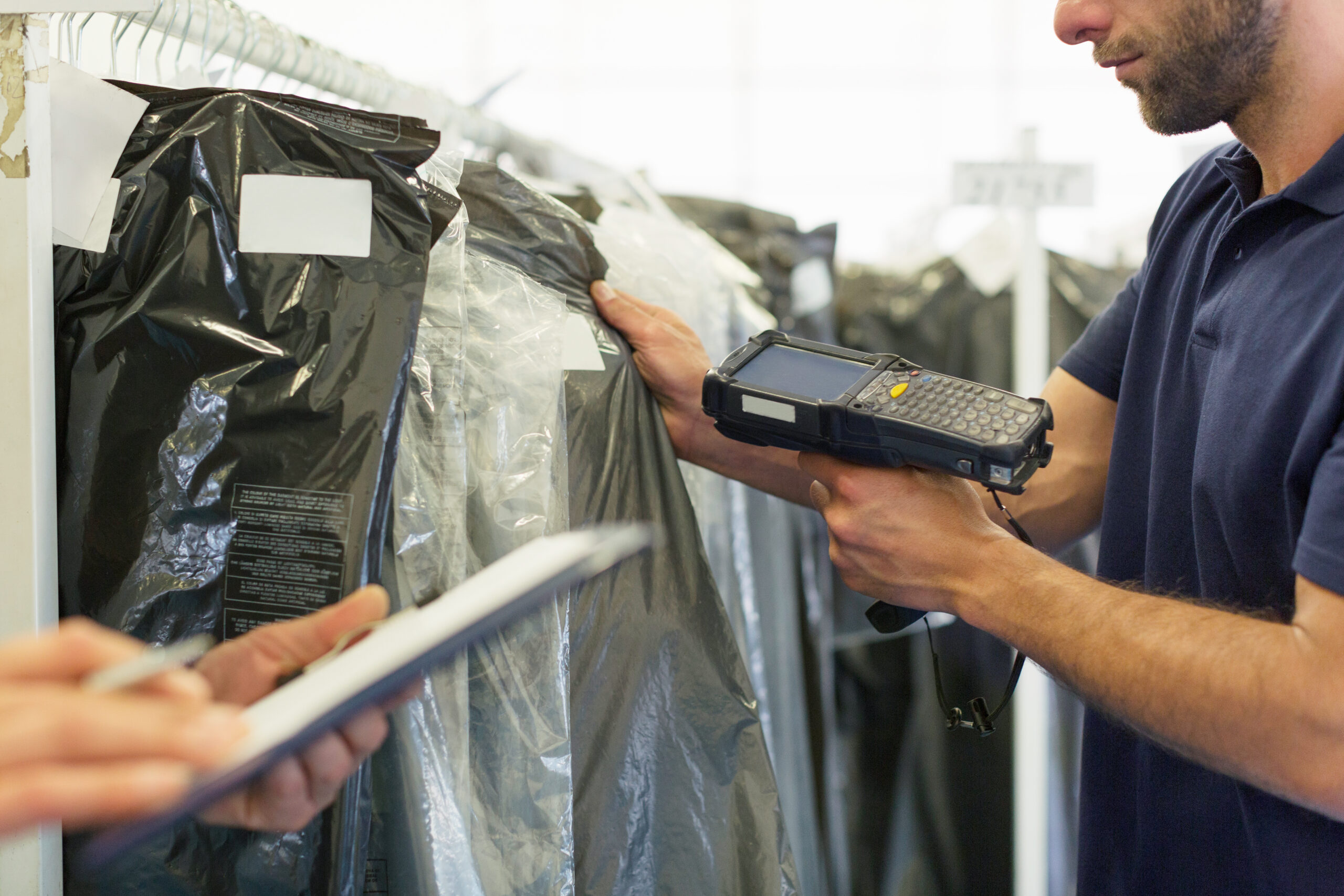
A Fashion Distribution Service Center (FDS) is a specialized logistics facility in which logistic partners manage the entire order fulfilment process for the fashion clients. Beyond storing the goods, FDSs provides additional services, including inventory management, picking and packing, shipping and distribution, and other value – added services. End-to-end reverse logistics, such as returns handling and re-conditioning activities, are also critical components provided. Unlike traditional warehouses, the FDS centers are designed for high inventory turnover and fast-moving supply chains. They are often located close to cities and retail stores to enable quick delivery and efficient distribution. Inside FDSs, GOH systems allow easy access to all garments and can be adapted to multi-level storage, facilitating retrieval and space optimization.
Standard warehouses are different in that they are designed for the storage and management of high volumes of goods. They offer secure, organized space to hold inventory, so businesses can maintain continuity in their supply chain, manage stock levels and prepare for fluctuations in demand. Modern warehouses often integrate value-added services such as inventory tracking, quality inspections, and basic handling of inbound and outbound shipments.
Fashion Logistics with Savino Del Bene
Fashion logistics impacts every stage of the supply chain and is essential for successful collection launches. Each project requires a highly customized approach, often tailored to a brand’s characteristics and demands.
With Savino Del Bene’s dedicated services and highly specialized team, fashion brands gain end-to-end support on all logistics and freight forwarding needs, including international shipments, consolidation, warehousing, distribution, and comprehensive supply chain management.
Looking for a reliable partner to handle your fashion logistics? Contact us!